The Science of Literacy
The Science of Reading and Writing is the body of knowledge that explains what happens in the brain when students learn to read and write. This includes the cross-disciplinary body of research studies conducted over several decades to:
- Understand how people learn to read and write
- Identify the best practices for explicit instruction to help learners develop fluency in reading and writing.
Research comes from many fields, including neuroscience, psychology, linguistics, and education, to name a few.

The Science of Reading
We can see how the brain engages when someone is learning to read.

The Science of Writing
Prompted by visual, auditory, or tactile triggers, the brain responds and develops white matter.
The Vantage Literacy Rope
When combined, the three ropes collectively form a Literacy Rope—that is, a strong representation of a broad range of skills that people need to achieve literacy, the proficiency of which is critical to learning and success.
Strands of the Literacy Rope

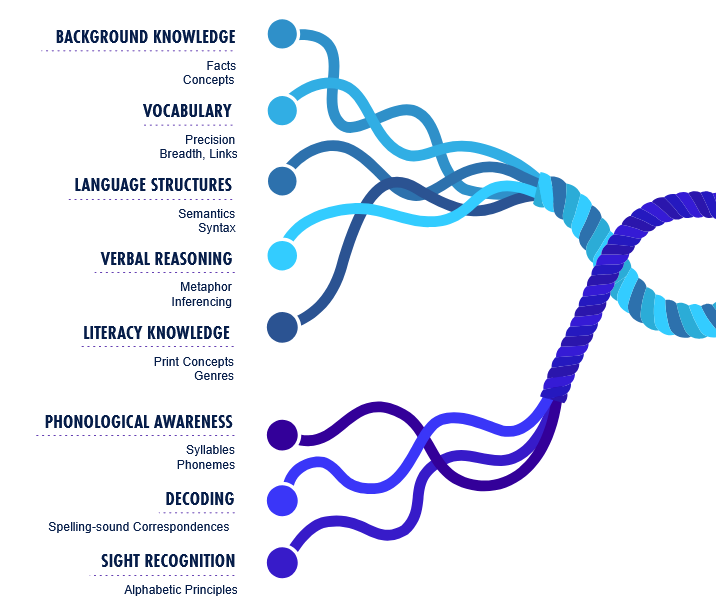
The Reading Rope
Dr. Hollis Scarborough clarified the process readers go through to become fluent readers. Her graphic is a perfect metaphor for developing reading fluency.
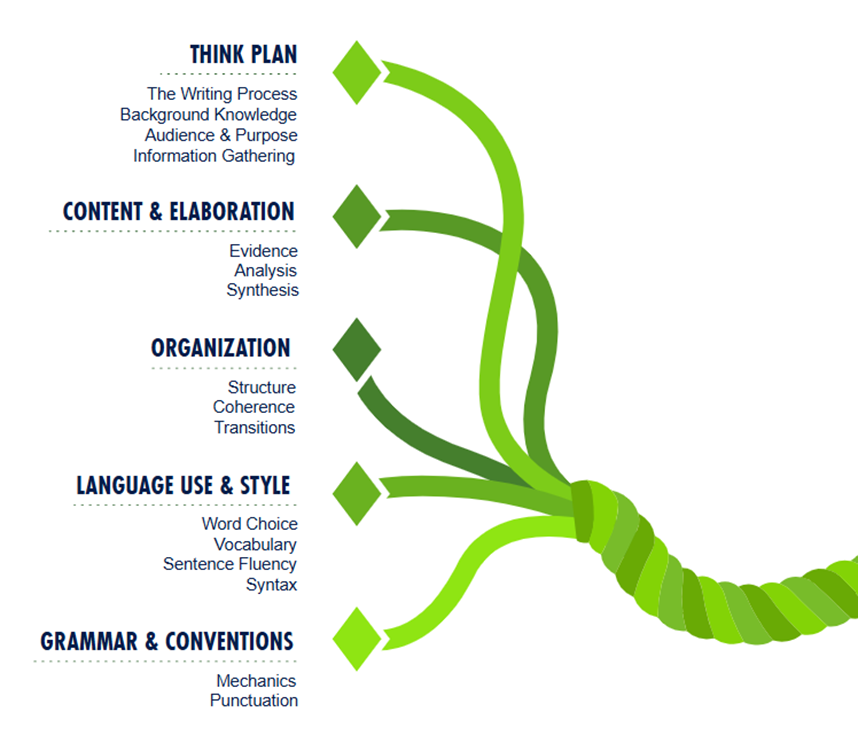
The Writing Rope
Building on the Reading Rope, the strands of the Vantage Writing Rope outline the knowledge and skills that learners develop on their journey to becoming effective writers.
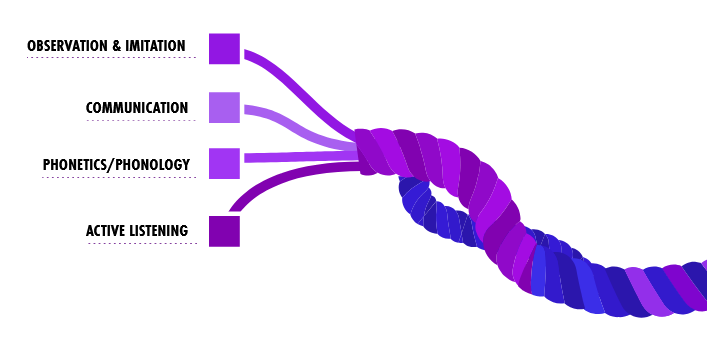
The Listening and Speaking Rope
This rope represents the knowledge and skills built during language acquisition and beyond.
Click on each picture to learn more about the neuroscience and other research related to language acquisition, reading, and writing.